- When Is a Dog Considered Senior?
- Senior Dog Health Checklist
- 8 Essential Senior Dog Care Tips
- 1. Schedule Twice-Yearly Vet Visits
- 2. Switch to a Senior-Appropriate Diet
- 3. Keep Them at a Healthy Weight
- 4. Prioritize Dental Health
- 5. Support Joint Health and Mobility
- 6. Keep Their Mind Sharp
- 7. Adapt Your Home for Comfort
- 8. Maintain Gentle Exercise
- Warning Signs to Watch For
- Why Mobile Vet Visits Are Ideal for Senior Dogs
- Your Dog's Golden Years
- References
You notice it on a Tuesday morning. Your dog takes an extra second to stand up from the kitchen floor. Stairs he used to bolt up now get a cautious, one-at-a-time approach. His muzzle has gone grey without you quite catching when it happened.
Senior dog care tips matter because aging sneaks up on our pets. Dogs pack an entire human lifetime into 10 to 15 years, and the shift from "adult" to "senior" can happen in what feels like a single summer. Good news: a few adjustments to diet, exercise, veterinary care, and your home setup can add comfortable, active years to your dog's life.
This guide covers everything from knowing when your dog officially qualifies as a senior to recognizing warning signs that something needs attention. We wrote it with input from our licensed veterinary team, and every recommendation reflects current veterinary guidelines from the AVMA and AAHA.
When Is a Dog Considered Senior?
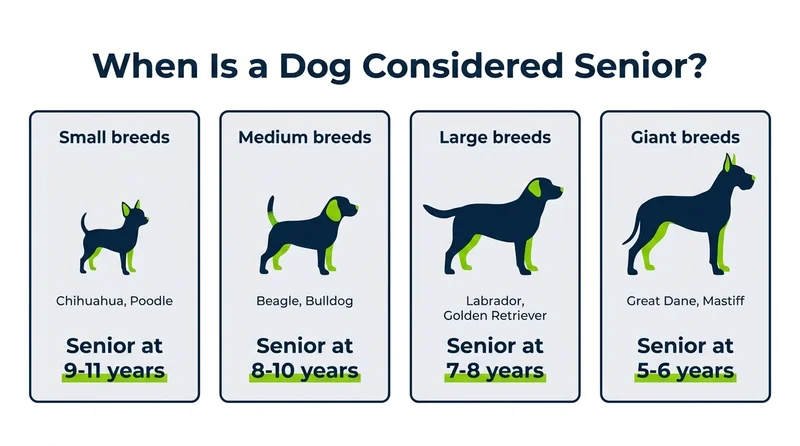
No single birthday flips the switch. Size and breed matter far more than a number on a calendar.
| Breed Size | Examples | Senior At |
|---|---|---|
| Small (under 20 lbs) | Chihuahua, Toy Poodle, Dachshund | 9-11 years |
| Medium (20-50 lbs) | Beagle, Bulldog, Cocker Spaniel | 8-10 years |
| Large (50-90 lbs) | Labrador, Golden Retriever, German Shepherd | 7-8 years |
| Giant (90+ lbs) | Great Dane, Mastiff, Saint Bernard | 5-6 years |
Consider this: a 6-year-old Great Dane is geriatric, while a 6-year-old Chihuahua is middle-aged. That difference has real consequences for how often your dog needs bloodwork, what food they should eat, and when to start screening for age-related conditions.
AAHA recommends shifting to a senior care protocol once your dog crosses the breed-appropriate threshold. That means twice-yearly exams instead of annual, baseline bloodwork to catch organ changes early, and a closer eye on weight, mobility, and behavior.
Not sure where your dog falls? Your vet can assess biological age based on dental condition, muscle mass, joint flexibility, and organ function. Biological age matters more than the calendar number. Well-maintained 10-year-old Labs can have the vitality of a typical 7-year-old, and neglected 7-year-olds can present like dogs much older.
Senior Dog Health Checklist
Print this out and stick it on your fridge. Run through it once a month.
- Weight: Weigh your dog monthly. Shifts of more than 5% in either direction warrant a vet call
- Appetite: Eating the same amount? Leaving food in the bowl? Begging more than usual?
- Water intake: Drinking more or less than normal? Healthy dogs drink about 1 ounce per pound of body weight daily
- Mobility: Getting up easily? Taking stairs without hesitation? Willingness to jump on furniture?
- Bathroom habits: Normal frequency? Straining? Accidents in the house?
- Breathing: Panting at rest? Coughing? Wheezing at night?
- Coat and skin: Dry, flaky skin? Thinning coat? New lumps or bumps?
- Eyes and ears: Cloudiness? Discharge? Flinching when ears are touched?
- Behavior: Sleeping more? Pacing at night? Seeming confused or disoriented?
- Dental: Bad breath? Drooling? Dropping food while eating?
Why monthly checks matter: Dogs mask pain. It's a survival instinct they inherited from wolves. By the time a dog shows obvious discomfort, the underlying problem has often been progressing for weeks or months. Monthly home checks catch subtle changes that daily observation misses.
8 Essential Senior Dog Care Tips
1. Schedule Twice-Yearly Vet Visits
Annual exams aren't enough once your dog reaches senior status. AAHA recommends biannual wellness visits for senior dogs, and that recommendation exists for good reason: kidney disease, diabetes, thyroid disorders, and early-stage cancers are all far more treatable when caught before symptoms become obvious.
Senior wellness exams go beyond the basic physical. Expect a complete blood count, metabolic panel, urinalysis, and thyroid screening. These tests establish baseline values so your vet can spot trends over time. Creatinine that's technically "normal" but has risen 30% since last year tells a very different story than that same number in isolation.
For senior dogs with arthritis or anxiety, the trip to a clinic can be the hardest part. Car rides aggravate stiff joints. Waiting rooms stress dogs who've grown less tolerant of chaos with age. That's exactly why mobile vet visits reduce anxiety for pets of all ages. Your dog stays on their own bed. The vet comes to them.
2. Switch to a Senior-Appropriate Diet
Your dog's metabolism slows down with age, but nutritional needs actually become more complex. Senior dogs typically need fewer calories (to prevent obesity) but more protein (to maintain muscle mass), more fiber (for digestive health), and specific supplements like omega-3 fatty acids for joint and brain support.
Talk to your vet before switching foods. "Senior formula" on the label doesn't automatically mean it's right for your specific dog. Twelve-year-old Poodles with kidney issues need a different diet than 9-year-old Labs with arthritis.
Key dietary adjustments for aging dogs:
- Protein quality over quantity. Look for named animal protein as the first ingredient, not by-products or meal
- Omega-3 fatty acids. EPA and DHA support joint health, brain function, and coat condition. Fish oil supplements work when the food doesn't contain enough
- Joint-support ingredients. Glucosamine and chondroitin are increasingly added to senior formulas
- Controlled calories. Overweight senior dogs face dramatically higher risks of arthritis progression, diabetes, and heart disease
- Smaller, more frequent meals. Two to three smaller portions ease digestion better than one large daily feeding
3. Keep Them at a Healthy Weight
This is the single most impactful thing you can do for a senior dog's quality of life. Excess weight accelerates arthritis, strains the heart, increases cancer risk, and shortens lifespan. According to the Association for Pet Obesity Prevention, 59% of dogs in the U.S. are overweight or obese.
Check your dog's body condition at home: you should feel their ribs easily without pressing hard, see a visible waist when viewed from above, and notice an abdominal tuck when viewed from the side. Failing any of those checks means your dog is carrying too much weight.
Losing weight in old age requires patience. Crash diets strip muscle mass, which is the opposite of what a senior dog needs. Aim for 1-2% body weight loss per week. Your vet can calculate the exact calorie target based on your dog's ideal weight, activity level, and any existing health conditions.
4. Prioritize Dental Health
By age 3, over 80% of dogs show signs of dental disease. By the senior years, untreated dental problems have often progressed to painful infections, loose teeth, and bacterial spread to the heart, kidneys, and liver.
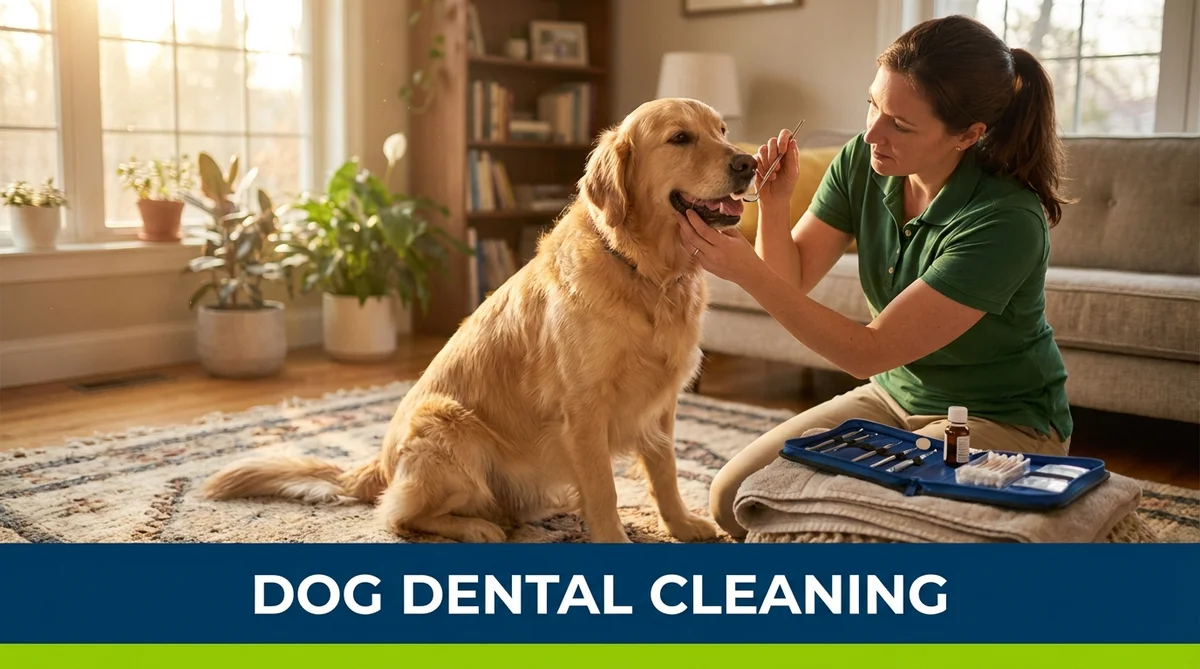
Daily tooth brushing is the gold standard. Use a soft-bristled brush and enzymatic toothpaste formulated for dogs. Dogs that won't tolerate brushing can benefit from dental chews, water additives, and dental wipes, though none match the effectiveness of actual brushing.
Professional cleanings should happen annually for most senior dogs. During a cleaning, your vet checks for cracked teeth, gum recession, oral tumors, and bone loss that's invisible without dental X-rays. We offer professional dental cleaning at home, which eliminates the drop-off stress that makes many owners postpone this critical procedure.
Watch for these dental red flags: persistent bad breath, drooling, pawing at the mouth, dropping food, or refusing hard kibble. Any of these justifies a prompt dental exam.
5. Support Joint Health and Mobility
Arthritis affects roughly 80% of dogs over age 8, according to veterinary orthopedic research. It's not a matter of "if" but "when" and "how severely."
Proactive joint support makes a measurable difference:
- Glucosamine and chondroitin supplements. Clinical evidence supports these for slowing cartilage breakdown. Start before symptoms appear for best results
- Omega-3 fatty acids. EPA has documented anti-inflammatory properties that reduce joint pain
- Adequan injections. Prescription polysulfated glycosaminoglycan injections can protect remaining cartilage. Ask your vet whether your dog is a candidate
- Weight management. Every pound of excess weight puts 4 additional pounds of pressure on joints. Losing 10 pounds removes 40 pounds of force from arthritic hips and knees
- Orthopedic beds. Memory foam beds support aging joints during sleep, and your senior dog spends 14 to 16 hours a day resting
When your dog is already limping, struggling to rise, or refusing stairs, talk to your vet about pain management. Modern veterinary medicine offers multiple approaches: NSAIDs, gabapentin, laser therapy, acupuncture, and physical rehabilitation. No dog should spend their golden years in untreated pain.
6. Keep Their Mind Sharp
Cognitive dysfunction syndrome (CDS) affects an estimated 28% of dogs aged 11-12 and over 68% of dogs aged 15-16. It's the canine equivalent of Alzheimer's disease, and early intervention slows its progression.
Symptoms include nighttime restlessness, staring at walls, forgetting house training, getting stuck behind furniture, failing to recognize family members, and changes in sleep-wake cycles. Veterinarians use the acronym DISHA to track symptoms: Disorientation, altered Interactions, Sleep changes, House soiling, and Activity changes.
Mental stimulation protects cognitive function:
- Puzzle feeders and snuffle mats. Make mealtime a brain workout. Scatter kibble in a snuffle mat or use a Kong that requires problem-solving
- Scent games. Hide treats around the house and let your dog find them. Scent work engages the brain more deeply than almost any other activity
- New walking routes. Novel environments provide fresh sensory input. Even a different path through the same park counts
- Short training sessions. Old dogs absolutely can learn new tricks. Five minutes of training per day maintains neural pathways
- Social interaction. Gentle playdates with familiar dogs prevent isolation and cognitive withdrawal
Notice CDS symptoms? Your vet may recommend a diet enriched with medium-chain triglycerides (MCTs) and antioxidants, along with medications like selegiline that support brain function. Starting treatment early produces the best outcomes.
7. Adapt Your Home for Comfort

Small changes in your home environment make a profound difference in a senior dog's daily comfort and safety.
Here in Orlando, we see a lot of homes with tile and hardwood floors. Beautiful, but treacherous for a dog with arthritis or declining coordination. Non-slip area rugs or yoga mats along your dog's main pathways prevent painful slips that can cause injuries or erode your dog's confidence about moving around.
Other home modifications worth considering:
- Ramps instead of stairs. Gentle-slope ramps to furniture, beds, or the car save joints from impact
- Elevated food and water bowls. Raising bowls to chest height reduces neck strain during meals. This is especially important for large breeds with cervical spondylosis
- Orthopedic bedding. Memory foam beds in their favorite spots, not just the official "dog bed" corner, but wherever they actually nap
- Nightlights. Senior dogs with declining vision navigate better with low-level nighttime lighting, especially near stairs and water bowls
- Temperature control. Older dogs regulate body temperature less effectively. In Florida's heat, air conditioning isn't a luxury; it's a medical necessity for senior pets
- Accessible water stations. Place water bowls in multiple rooms so your dog never has to walk far when thirsty. Dehydration is a real risk for seniors who find the trip to the kitchen uncomfortable
8. Maintain Gentle Exercise
Senior dogs still need daily movement. Exercise maintains muscle mass, supports joint flexibility, aids digestion, and provides the mental stimulation that keeps cognitive decline at bay. But the key word is "gentle."
Replace long, intense outings with shorter, more frequent walks. Two 15-minute walks beat one 45-minute marathon for most senior dogs. Watch for signs of fatigue: lagging behind, excessive panting, lying down mid-walk, or reluctance to keep going. When your dog says they're done, they're done. Pushing through it causes harm.
Swimming is an excellent low-impact option, particularly for dogs with arthritis. Water supports body weight while still engaging muscles and cardiovascular fitness. Haven't tried it yet? Introduce water gradually with a canine life vest.
Avoid these exercise mistakes with aging dogs:
- Weekend warrior syndrome. Dogs that are inactive all week shouldn't go on a 3-mile hike Saturday. Build endurance gradually
- Hot pavement. Orlando asphalt hits 150°F in summer. Walk early morning or after sunset. Test the ground with your palm; too hot for your hand means too hot for their paws
- Forced fetch. Repetitive throwing puts sudden torque on aging joints. Roll the ball along the ground instead of throwing it high
- Ignoring the limp. Dogs that limp after exercise are telling you the activity was too much. Adjust intensity downward
Warning Signs to Watch For
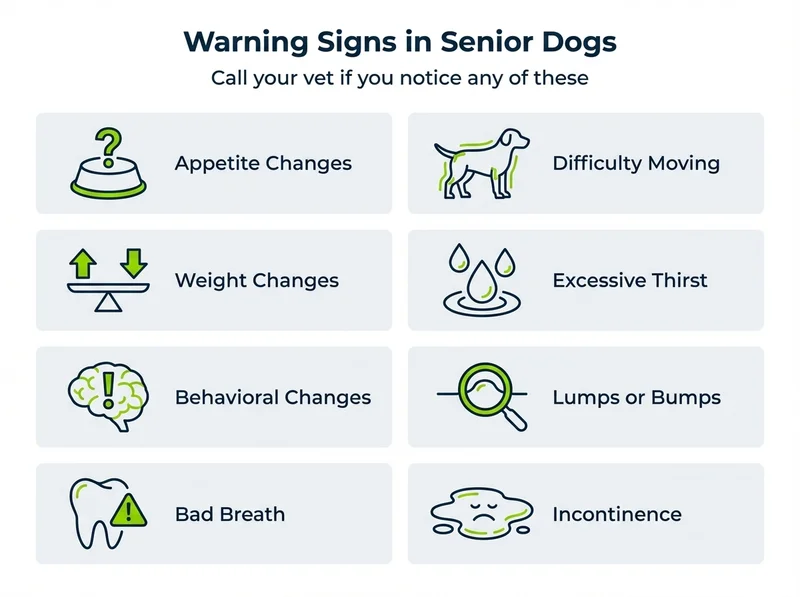
Some changes in a senior dog are normal aging. Others are red flags that need veterinary attention right away.
Call your vet right away for any of these:
- Sudden appetite changes. Eating significantly more or less, or refusing favorite foods
- Difficulty moving. Unable to stand, dragging a leg, or crying out when touched
- Unexplained weight loss. Dropping more than 10% of body weight without dietary changes can signal cancer, kidney failure, or diabetes
- Excessive thirst. Drinking noticeably more water than usual, common in kidney disease, Cushing's syndrome, and diabetes
- Behavioral changes. New aggression, unusual anxiety, or cognitive confusion (pacing, staring, getting lost in familiar rooms)
- New lumps or bumps. Any new growth deserves evaluation. Most are benign lipomas, but early detection of malignant tumors saves lives
- Persistent bad breath. Beyond normal "dog breath," a foul or metallic smell can indicate advanced dental disease or kidney problems
- House accidents. Previously house-trained dogs having accidents may have a urinary tract infection, kidney disease, or cognitive decline
Don't fall for the "normal aging" trap: Pet owners often dismiss genuine health problems as "just getting old." Arthritis pain is treatable. Cognitive decline responds to medication and diet changes. Dental infections are fixable. Age is not a disease. Something seems off? Get it checked.
Why Mobile Vet Visits Are Ideal for Senior Dogs
Senior dogs are the patients who benefit most from veterinary house calls. The reasons are practical, not sentimental.
Dogs with hip dysplasia or spinal arthritis don't need to be wrestled into a car, driven across town, and lifted onto a cold exam table surrounded by barking strangers. That experience can be genuinely painful for a senior with mobility issues. Cortisol spikes from stress also skew blood test results, making diagnostics less accurate than they'd be in a calm, familiar setting.
During a mobile wellness exam, your senior dog stays on their own bed or favorite spot. Blood draws, vaccinations, and dental assessments happen right there. Your vet has 30 to 45 minutes to observe gait, check mobility on familiar surfaces, and discuss subtle changes you've noticed.
For multi-pet households, this approach saves real money. One travel fee covers every animal. Check the breakdown of mobile vet pricing in Orlando to see how costs compare with clinic visits. We serve the entire Orlando metro, including Winter Park and surrounding areas.
Ready to schedule a senior wellness exam? Contact us at (877) 345-4326 to book a visit.
Your Dog's Golden Years
Growing old isn't a disease. It's a phase of life that comes with specific needs, and meeting those needs isn't complicated. Schedule those biannual vet visits. Adjust the diet. Watch their weight. Brush their teeth. Make the house comfortable. Pay attention.
Dogs that age best are the ones whose owners notice the small changes, the slight limp, the extra second to stand up, the water bowl emptying faster than usual, and act on them before they become big problems.
Senior wellness check overdue, or something about your dog's behavior worrying you? Give us a call at (877) 345-4326. House calls mean your dog gets thorough, unhurried care without leaving the couch. That's the kind of golden years they deserve.
This article provides general guidance for senior dog care. Always consult your veterinarian for advice specific to your pet's health condition and needs.
References
- American Animal Hospital Association (AAHA). "Senior Care Guidelines for Dogs and Cats." aaha.org/aaha-guidelines/senior-care
- American Veterinary Medical Association (AVMA). "Senior Pets." avma.org/resources/pet-owners/petcare/senior-pets
- Association for Pet Obesity Prevention. "2023 Pet Obesity Prevalence Survey." petobesityprevention.org
- Neilson, J. C., et al. "Prevalence of behavioral changes associated with age-related cognitive impairment in dogs." Journal of the American Veterinary Medical Association, 218(11), 2001.
- American Veterinary Dental College (AVDC). "Periodontal Disease." avdc.org/animal-owner/dental-disease
Frequently Asked Questions
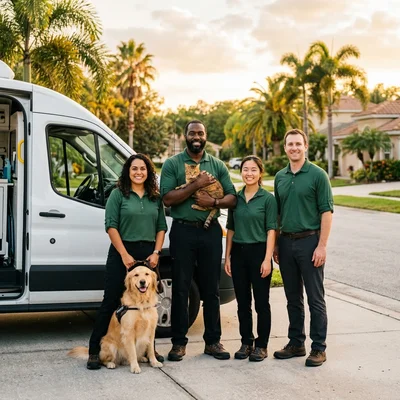
Our team of licensed veterinarians brings compassionate care directly to your home.